Find the perfect health insurance plan for your needs in 2026. Our guide makes comparing costs and coverage simple and stress-free.
Choosing the right health insurance plan can take a lot out of you. With so many options, confusing terms, and ever-changing healthcare needs, it’s easy to feel overwhelmed. This is especially true when you consider that in 2023, approximately 26 million Americans—8% of the U.S. population—went without health insurance, leaving them exposed to crushing medical costs and limited access to care.
Finding the right balance between getting all the coverage you need and keeping premiums affordable takes some careful thought. Choosing your health insurance impacts more than your wallet; it also defines your access to healthcare services, prescription medications, and preventive care throughout the year.
Whether you’re managing a chronic condition, need regular medications, or just want peace of mind, having the right plan can make all the difference. And with tools like DosePacker supporting your health management journey, finding that perfect plan becomes even more rewarding.
Simplify Your Health Journey
But before you dive into plan options, it’s important to take a step back. The best insurance plan isn’t just the one with the lowest premium—it’s the one that meets your healthcare needs. So, how do you determine what’s right for you?

Take a moment to understand what you or your family need. This step ensures you’re not paying for extras you don’t use—or worse, getting stuck with a plan that doesn’t cover essentials.
Consider a holistic approach if you’re planning to get health insurance plans for family members.
Different health insurance plans offer unique benefits, and understanding these can help you choose one that fits your lifestyle, budget, and healthcare needs. Here’s a quick overview of the different insurance plans you can choose:
HMOs require you to choose a primary care physician (PCP) who coordinates all your healthcare needs.
PPOs offer flexibility to see any doctor or specialist, whether in-network or out-of-network, though costs are lower within the network.
EPOs combine features of HMOs and PPOs, offering a network of providers you must use for coverage without requiring referrals to see specialists.
HDHP has lower premiums and higher deductibles and often includes a Health Savings Account (HSA) for tax-advantaged savings.
POS plans blend features of HMOs and PPOs. You’ll need a PCP and referrals for specialists, but you can still access out-of-network providers at a higher cost.
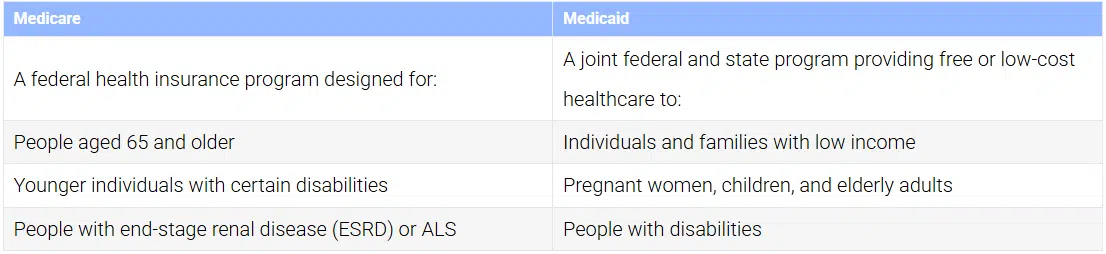
Medicare and Medicaid
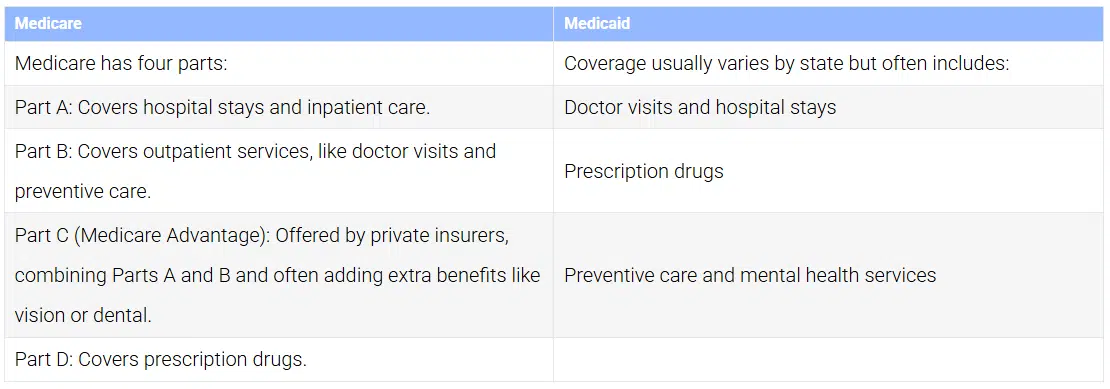
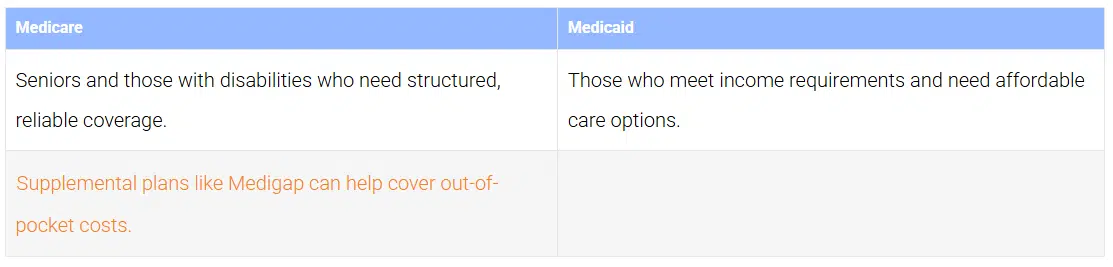
Even if you already have private insurance, you should consider Medicare or Medicaid programs to fill gaps in coverage and access additional services.
What Are They?
What Do They Cover?
Who Is It For?
While premiums – the monthly fee you pay for insurance – are a significant factor, they’re just the tip of the iceberg. To fully understand the cost of your health insurance plan, you need to dive into these key terms:
This is the amount you pay out of pocket for healthcare services before your insurance begins to cover costs.
Example:
If your deductible is $1,500, you’ll pay for all services (like doctor visits or tests) up to that before insurance kicks in.
Regardless of the total cost, it’s the set amount you pay for certain services or medications.
Example:
If your deductible is $1,500, you’ll pay for all services (like doctor visits or tests) up to that before insurance kicks in.
It refers to the percentage of costs you share with your insurance after meeting your deductible.
Example:
If a service costs $200 and your coinsurance is 20%, you’ll pay $40 while your insurance covers $160.
This is the most you’ll pay in a year for covered services. Once you reach this cap, your insurance covers all of the costs.
Example:
If your out-of-pocket max is $6,000, that’s the most you’ll spend in a year—even if your bills go higher.
If you’re still confused about balancing premiums and out-of-pocket costs, just keep these in mind:
Low premiums + High deductibles
Great if you rarely need care
High premiums + Low deductibles
Ideal for frequent doctor visits or ongoing prescriptions
Ensuring the right network coverage is essential when selecting a health insurance plan. A well-suited network can save you money, time, and unnecessary stress when accessing care.
Choosing the right health insurance plan isn’t just about costs—it’s about ensuring it meets your unique health needs. Here’s how to evaluate a plan’s coverage:
By thoroughly reviewing a plan’s medication and service coverage, you can avoid surprises later and ensure you get the best value for your health needs.

Choosing the right health insurance plan is a big step toward protecting your health and finances. But always remember that your healthcare needs evolve. Make it a habit to:
Managing healthcare becomes a lot simpler when you have the right tools. With DosePacker’s solutions, you can stay on top of your health needs, no matter your insurance plan. That’s why we’re committed to making healthcare easier and more accessible through:
With the right plan and tools like DosePacker to support you, you’re setting yourself up for a healthier, worry-free future.
Start the Path to a Healthier You
The best health insurance plan isn’t just the one that fits your budget—it’s the one that fits your life. Here’s to your health and making informed choices that support your well-being, today and in the years to come.